The off switch is a skill
Knowing when to close AI is part of knowing how to use it. Habit, useful work, and the skills worth keeping in practice.
September 30, 2026
Topics
AI fluency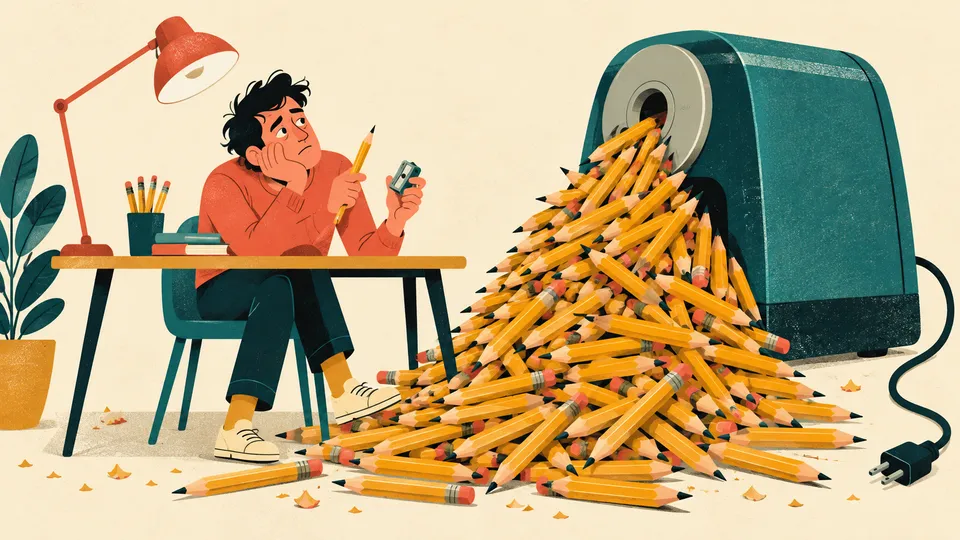
Knowing how to use AI is useful. Knowing when to close it is getting interesting. This issue connects habitual use, the gap between personal productivity and business results, and the human skills that get more valuable as the tools improve. We think “I could do this with AI” needs a follow-up: would it help?
A day without AI makes the habit visible
Atlassian’s Play/Pause exercise compared talent acquisition employees’ reported experiences on a day with AI and a day without it.
Our take: The revealing result is how readily people reached for the tool. Familiarity can make help feel essential even when you haven’t asked what it’s contributing. We like making that choice visible. These self-reports don’t establish a productivity lift, but they give teams a better conversation than congratulating everyone for using AI more.
Feeling faster doesn’t settle the business case
McKinsey’s 2026 AI survey finds widespread reported individual productivity benefits alongside little change in the share reporting enterprise earnings impact.
Our take: Both can be true. A person can finish a draft faster and still wait a week for a decision. We would stop asking employees to defend their helpful tools with company profit figures they don’t control, and start asking leaders where the freed capacity can actually go. An organization has to make room for better work to happen.
“Human skills” need somewhere to grow
ManpowerGroup’s Human Edge report argues that AI literacy involves critical thinking and that work redesign should preserve human expertise.
Our take: It’s easy to celebrate judgment while removing every opportunity to practice it. If AI drafts the recommendation, chooses the evidence, and anticipates the objections, what exactly is the junior colleague learning? A useful development assignment can leave the first attempt to the person, then bring AI in as a critic. Getting a polished answer and getting better at the work are different benefits worth choosing deliberately.
One useful move
Learning a new process or feature? Close the instructions and write a few sentences explaining how you’d use it. Then give your explanation and the original instructions to your chatbot:
Here is my explanation: {{my_explanation}} Here are the instructions I’m comparing against: {{source_instructions}} Compare my explanation with these instructions. Point out one important step I missed or misunderstood, and show me the passage that explains it. Help me turn my corrected explanation into a short reference I can keep.
Check the cited passage and keep the corrected note. Your first attempt gives the feedback something useful to work on.
Something fun
Invent a tiny museum for an overlooked skill:
Design three exhibits for a Museum of Knowing When to Stop. Include one kitchen artifact, one office artifact, and one object that should definitely have been left alone. Give each a very short, pompous museum label.
Our proposed centerpiece is a perfectly good slide deck, preserved at version seven.
Built in the past two weeks
We drafted a PowerPoint assistant guide and adapted a starter kit for recurring presentations, combining editable instructions, a style guide, and a small sample template. We also added a generator to package those pieces together, so the assistant's brief and its presentation materials can be prepared as a set.